

Families trust nursing homes to provide safe and dignified care for vulnerable residents. When that trust is broken because of abuse or neglect, the consequences can be fatal. If your family lost someone because a facility failed to provide proper care, an Evanston nursing home wrongful death lawyer can help you pursue answers and accountability.
At The Rooth Law Firm, Robert J. Rooth has spent decades standing up for injured individuals and grieving families throughout Cook County and the greater Chicago area. Since 1984, he has represented thousands of clients and held negligent nursing homes accountable for harm to residents.
Call (847) 869-9100 today for a free consultation with an Evanston nursing home abuse lawyer.


How Nursing Home Neglect Can Lead to Wrongful Death
Many nursing home wrongful death cases involve neglect that could and should have been prevented. Common examples include dehydration, medication errors, falls, untreated infections, poor hygiene, and delayed medical care. In some facilities, understaffing, poor training, and inadequate supervision create dangerous conditions for residents.
Residents with limited mobility or cognitive decline are especially vulnerable to serious complications caused by neglect. Families may not recognize warning signs until their loved one’s condition rapidly worsens.
Facilities may also minimize complaints or fail to properly document incidents. An Evanston nursing home wrongful death lawyer can investigate whether negligence contributed to your loved one’s death.
Common Warning Signs of Nursing Home Abuse and Neglect
Sudden physical, emotional, or behavioral changes may indicate abuse or neglect in a nursing home facility. Common warning signs include:
- Unexplained bruises, fractures, or repeated falls
- Bedsores or untreated infections
- Sudden weight loss or dehydration
- Poor hygiene or unsanitary living conditions
- Emotional withdrawal, fearfulness, or unusual mood changes
- Frequent medical complications or hospitalizations
- Complaints involving understaffing or inattentive caregivers
If you noticed these warning signs before your loved one passed away, it is important to speak with a nursing home lawyer in Evanston about your legal options.


Why Families Turn to The Rooth Law Firm
Families facing the loss of a loved one often feel overwhelmed, angry, and unsure where to turn next. Nursing homes and their insurance companies may move quickly to protect themselves after a fatal incident, which is why it is important to speak with an Evanston nursing home wrongful death attorney as soon as possible.
Robert J. Rooth approaches every case with the understanding that clients are dealing with one of the most painful experiences of their lives. Our firm focuses on building personal relationships with clients, treating them like people rather than case numbers, and providing guidance throughout every stage of the legal process.
When you work with The Rooth Law Firm, you can expect:
- More than four decades of legal experience
- Direct communication and personalized attention
- Aggressive representation against negligent nursing homes
- Thorough investigations into preventable deaths and facility misconduct
- Trial-ready preparation if a fair settlement is not offered
- Availability to answer questions and provide support when families need it most
Our firm’s mission is not only to pursue compensation, but also to give families a voice and hold negligent facilities accountable for the harm they cause.
Advocating for Families in Nursing Home Wrongful Death Claims
Families place enormous trust in nursing homes and long-term care facilities to protect vulnerable loved ones. When neglect, abuse, or medical failures lead to a preventable death, The Rooth Law Firm helps families pursue accountability and justice.
From our Evanston office, we represent clients in nursing home wrongful death cases throughout Chicagoland and statewide, including matters involving facilities connected to families in Gurnee, Waukegan, and Rock Island. Our firm also regularly works with clients throughout the Quad Cities area and the broader Chicago metropolitan area.
Call (847) 869-9100 now to get started with a free consultation.
What Compensation May Be Available in a Nursing Home Wrongful Death Case?
A wrongful death claim allows surviving family members to pursue compensation for both the financial and emotional losses associated with their loved one’s death.
Depending on the circumstances of the case, compensation may include medical expenses related to the resident’s final treatment, funeral and burial expenses, and other financial losses connected to the death. Families may also pursue damages related to the pain and suffering their loved one experienced prior to passing away.
In addition, Illinois law may allow surviving family members to seek compensation for the loss of companionship, guidance, comfort, and emotional support their loved one provided.
An Evanston nursing home wrongful death attorney can evaluate the circumstances surrounding your loved one’s death and explain what damages may be recoverable.
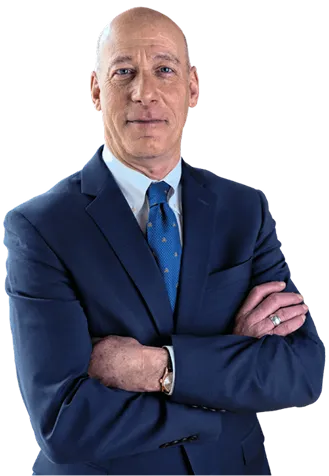


Call An Evanston Nursing Home Wrongful Death Lawyer Today
We have been advocating for the injured since 1984. Let us fight to hold wrongdoers accountable and recover the financial damages your family needs.
 CALL US NOW
 Frequently Asked Questions
How Do You Prove Nursing Home Neglect Caused a Wrongful Death?
Proving nursing home neglect caused a resident’s wrongful death often requires reviewing medical records, staffing schedules, incident reports, witness statements, and prior complaints involving the facility.
An Evanston nursing home wrongful death lawyer may also work with medical experts to determine whether injuries, infections, dehydration, falls, or other complications could have been prevented with proper care. Nursing homes may blame age or underlying conditions instead of acknowledging neglect.
Because evidence can disappear quickly after a resident’s death, families should speak with an attorney as soon as possible.
How Long Do I Have to File a Nursing Home Wrongful Death Lawsuit in Illinois?
Under Illinois law, families generally have two years from the date of death to file a wrongful death lawsuit against a nursing home or assisted living facility, although exceptions may apply in certain cases.
Delays can make evidence harder to preserve and investigate. Speaking with an Evanston nursing home wrongful death attorney early can help protect your family’s right to pursue compensation.
Who Can File a Nursing Home Wrongful Death Lawsuit in Illinois?
Under Illinois law, certain surviving family members may have the right to pursue a wrongful death claim when nursing home abuse or neglect leads to a resident’s death. These claims are generally brought on behalf of surviving spouses and next of kin.
The Illinois Nursing Home Care Act also provides protections for residents and allows families to hold facilities accountable when those rights are violated. An Evanston nursing home wrongful death lawyer can investigate the circumstances surrounding your loved one’s death and explain your legal options.
Speak With an Evanston Nursing Home Wrongful Death Attorney Today
Losing a loved one to nursing home neglect is devastating. Your family deserves answers and accountability.
Robert J. Rooth has spent decades advocating for individuals and families harmed by negligence throughout Evanston, Cook County, and surrounding communities. The Rooth Law Firm provides compassionate, personalized representation for grieving families.
If your loved one died while living in a nursing home or assisted living facility, contact our firm at (847) 869-9100 for a free consultation. An Evanston nursing home wrongful death lawyer can explain your legal rights and help your family determine the next steps.
 CALL US NOW